Seal spotting around Vlieland:
best spots and times
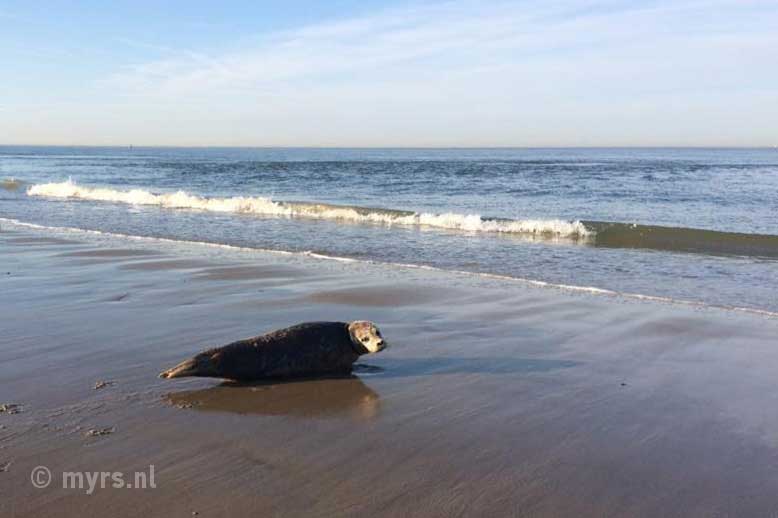
Seals aren't very difficult to find around Vlieland, because the tranquility, the space and the clean water suit these animals perfectly.
- Why they thrive here: the beautiful nature, the clean water, the space and the tranquility all have a positive impact on these animals, making them feel right at home.
- The good life: seals lounge a lot on the beach and the sandbanks, soaking up the sun.
- Swimming and hunting: in between they swim a lap and dive for fresh fish, their main source of food.
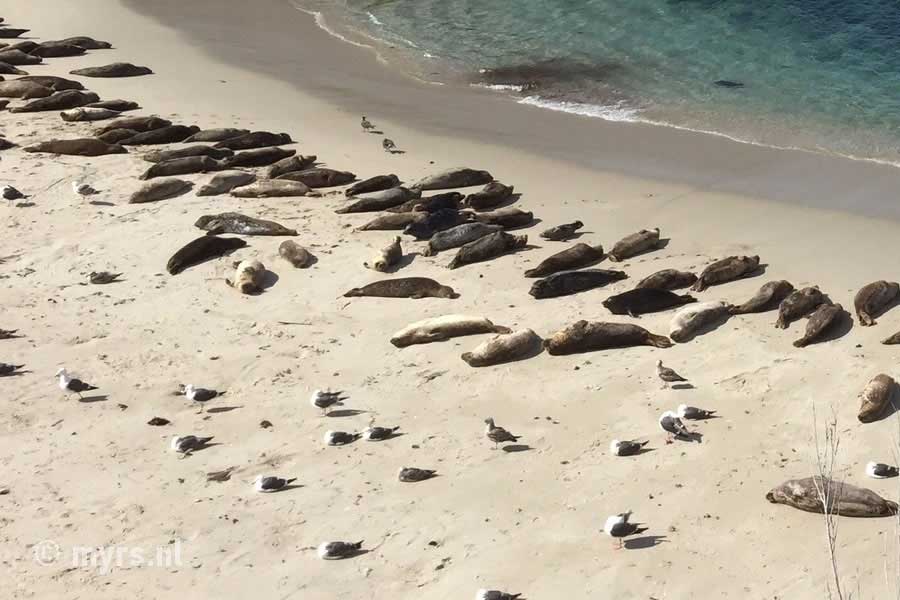
Off the coast live fairly large populations, and the number of seals around the Wadden islands is growing rapidly.
- Everywhere along the wadden: the animals swim to and fro, so exact numbers can't be given, but once settled they keep returning to the same area.
- Mostly around Terschelling: most of the seals lie comfortably in the sun on the sandbanks around Terschelling.
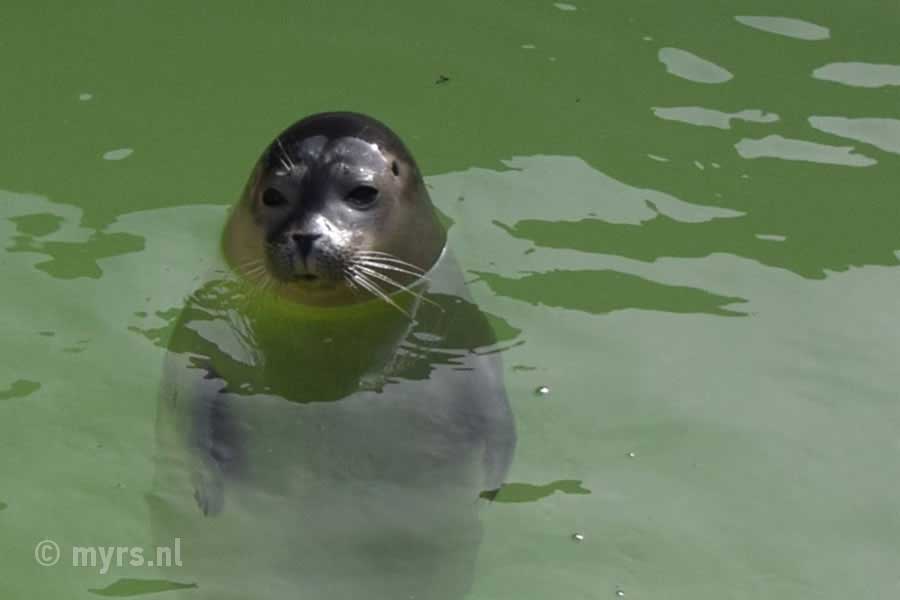
Two kinds
Dutch waters are home to two kinds of seals, which you can tell apart quite well with a little practice.
- The common seal: the smaller of the two, with males growing up to two metres. Recognisable by its small, round head, its V-shaped nostrils and the dark spots on a grey, dark brown or black coat.
- The grey seal: considerably larger at over three metres, with a straight, elongated muzzle (rather like a horse's head) and parallel, separated nostrils. The coat is usually grey, but can be dark brown or black.
- Together but solitary: seals bask in groups on the sandbank, but otherwise live solitary lives.
- Brief mothering: a mother nurses her pup for only about four weeks. In danger she saves herself, and she won't look for a pup she loses. Such abandoned pups are sometimes found in time and taken to a seal sanctuary to be fed and cared for.
Sandbanks
Seals need the sandbanks to rest and to raise their young, and that is exactly where they must be left in peace.
- Close to people: some seals you spot in the middle of the sea, or they swim curiously alongside you as you sail. On the sandbanks, by contrast, they gather in large groups.
- Safe at the edge: they prefer to lie on shallow flats along the steep side, so they can slip into the water and swim away in a flash if they sense danger.
- Don't disturb them: never sail or walk up to a sandbank with seals on it. The animals vanish into the water at once, and it is also prohibited.
The best time to see seals
Spotting seals is partly a matter of timing: it comes down mostly to the tide and the season.
- Around low tide: between two hours before and one hour after low tide most seals lie sunbathing on the exposed flats, so check the tides in advance.
- Each species its season: common seals have their pups in summer (roughly June and July), while grey seals do so in winter (roughly November to January), when the white pups lie on the flats.
- Calm weather helps: in calm, clear weather there are usually more animals hauled out than during storms and high waves.
Watching seals with respect
Seals are wild animals that startle easily, so keep it safe both for them and for yourself.
- Keep your distance: stay far enough away that the animals remain settled. Watch through binoculars or a telephoto lens rather than moving closer.
- Leave pups alone: never touch a young seal or take it with you. If an animal is sick or weak, call the seal sanctuary or a ranger, and keep dogs on the lead.
- Follow the rules on the water: don't approach sandbanks by boat, kayak or paddleboard, as disturbing the seals is an offence.
- Take your litter home: clean water and a clean coast keep these animals healthy.
Location
For the general public the seal is one of the trademarks of the Wadden Sea, and the sandbanks exposed at low tide form the ideal place for them to rest and raise their young. Especially on the sandbanks around Terschelling various large groups gather. These are the best ways to watch them sustainably:
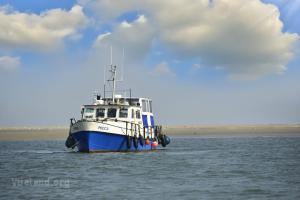
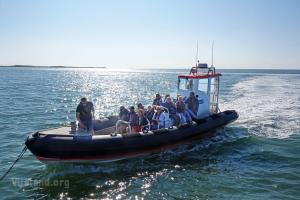
- On a boat trip: a special seal excursion brings you close to the colonies in a targeted way.
- From the ferry: on the way to a Wadden island you'll often already see them on the flats.
- On a mudflat hike or sailing trip: quite possible along the way, but keep your distance, because the animals flee if you get too close.
- From the beach: between two hours before and one hour after low tide they lie sunbathing on a sandbank. Binoculars or a camera with a good zoom let you see them from the beach as well.
Round trips
Want to head out on a dedicated trip? For special seal (boat) trips you can visit the following, among others: